What Is Grunge Aesthetic? A Deep Dive Into the Art Movement That Refuses to Die

Updated: May 15
Grunge aesthetic is a visual style defined by raw textures, distressed typography, dark color palettes, and a rejection of polished design — originating in Seattle's music scene of the late 1980s and now a dominant force in graphic design and interior decor.
Every few years, the design world tries to kill grunge. Clean lines win awards. Minimalism sweeps through every magazine and mood board. And for a while, it seems like the rough, the raw, and the real might finally be pushed out of the room.
Then grunge comes back — louder, more relevant, and more visually compelling than before.
In 2025 and 2026, we're in the middle of one of the most significant grunge revivals in decades. It's showing up in graphic design, fine art, fashion, interior decor, and social media culture at the same time. So — what exactly is grunge aesthetic, where did it come from, and why does it keep winning?
The Origin Story: Where Grunge Aesthetic Comes From
The grunge aesthetic didn't start in an art school. It started in the rain.
In the late 1980s and early 1990s, Seattle's music scene was producing something raw and uncomfortable — bands like Nirvana, Pearl Jam, Soundgarden, and Alice in Chains were making music that felt like it was recorded in someone's garage and wasn't apologizing for it. The visual culture around that music was equally rough: photocopied zines, hand-drawn band flyers, distressed textures, dark photography, and layered collage.
That visual identity — born out of necessity, anti-commercialism, and a genuine disdain for polish — became what we now call grunge aesthetic. It wasn't just about music. It was a worldview. Real is better than perfect. Texture is better than smoothness. Emotion beats precision.
The Core Visual Language of Grunge Aesthetic
Grunge aesthetic is instantly recognizable, even if you've never consciously labeled it. Here's what makes up its visual DNA:
Color Palette
Grunge doesn't live in bright primaries. Its color world is deep blacks and charcoal grays, faded desaturated tones, and unexpected accent colors — oxblood red, rust orange, acid yellow — with high-contrast compositions where light and dark collide dramatically.
Texture
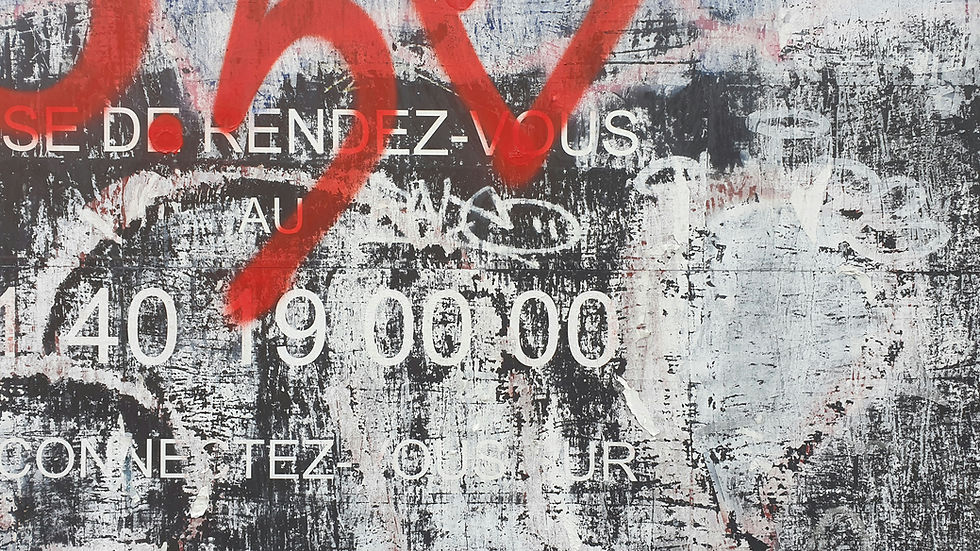
This is the heart of grunge. Real grunge design is layered with grain and noise — film grain, scanner artifacts — distressed surfaces like worn paper and cracked concrete, halftone patterns borrowed from old newspaper printing, and paint smears, ink blotches, and analog imperfections.
Typography
Grunge typography is chaos with a purpose: typewriter fonts and worn serif faces, stencil lettering and hand-stamped text, distorted or layered type that feels physically damaged, and extreme contrast between very large and very small text on the same piece.
Imagery
High-contrast black-and-white photography, overexposed or underexposed shots, collage with overlapping images and torn edges, and abstraction that feels emotional rather than intellectual.

Grunge Aesthetic vs. Other Dark Aesthetics
Grunge gets confused with other dark visual styles, but they're distinct.
Grunge: Raw rebellion, emotional depth — texture, distress, analog warmth
Goth: Dark romance, melancholy — ornate detail, Victorian influence
Punk: Political anger, provocation — aggressive, DIY, confrontational
Dark Academia: Intellectual nostalgia — vintage books, warm tones, old world
Industrial: Cold power, mechanical — metal, stark geometry, hard lines
Grunge sits at the intersection of all of these — it borrows from each without fully belonging to any.
Grunge Aesthetic in Art: From Zines to Fine Art Posters
What started as photocopied zines and band flyers has grown into a legitimate and celebrated art movement. Modern grunge art — including the kind you'd buy as a print or poster — takes the foundational visual language of the 90s and elevates it.
Collage-based grunge art layers photography, illustration, and typographic elements into complex compositions that reward close looking
Grunge photography prints use darkroom-influenced processing, grain, and contrast to create images that feel emotionally charged
Grunge typography posters use the distressed letterform tradition to create pieces that are simultaneously decoration and statement
Pop art-grunge hybrids combine the bold color blocks of pop art with grunge's distressed textures and rawness
This evolution is part of why grunge art is now collected, exhibited, and sold as fine art — not just band merchandise.
Why Grunge Aesthetic Is So Powerful in 2026
AI fatigue: As AI-generated imagery floods the internet with technically perfect but emotionally hollow visuals, audiences are hungry for art that feels human. Grunge's visible imperfections are proof of humanity.
90s nostalgia: Both Millennials and Gen Z are drawn to the emotional authenticity of 90s visual culture.
The authenticity economy: People are willing to pay more for things that feel real, handmade, and genuinely crafted.
Social media culture shift: Platforms like TikTok are increasingly rewarding lo-fi, authentic content over highly polished production.
Counter-cultural appeal: In an era of corporate aesthetics, grunge is still inherently rebellious. That never stops being appealing.
How to Incorporate Grunge Aesthetic Into Your Life
You don't need to redecorate your entire home to embrace grunge aesthetic. Here are some accessible entry points:
Art and decor: Start with one grunge poster or print. Place it somewhere prominent. Let it set the tone.
Photography: Shoot film or apply grain/texture in editing. Imperfect images often have more character than technically perfect ones.
Typography: If you're a designer, experiment with typewriter fonts, distressed lettering, and mixed typographic scales.
Color: Introduce one grunge color anchor — a charcoal throw, a deep matte vase, an oxblood cushion — into a space that's currently too clean.
FAQ: Grunge Aesthetic
What does grunge aesthetic mean?
Grunge aesthetic refers to a visual style rooted in 1990s underground music culture. It's characterized by raw textures, dark and muted color palettes, distressed typography, high-contrast imagery, and a deliberate rejection of polish and perfection. It's both a design style and a cultural attitude.
Is grunge aesthetic the same as the 90s grunge look?
It evolved from it. The visual DNA — distress, texture, rawness, dark color palettes — is the same. But modern grunge aesthetic blends those 90s roots with contemporary graphic design, digital art techniques, and current cultural references.
Is grunge aesthetic still popular?
More popular than ever. Design trend reports from 2025 and 2026 consistently cite grunge as one of the dominant visual movements, driven by a cultural rejection of AI-generated perfection and a demand for authentic, emotionally resonant design.
What's the difference between soft grunge and grunge aesthetic?
Soft grunge is a gentler, more wearable version that emerged from early Tumblr culture around 2010-2014. It blends grunge elements with indie and feminine influences — more pastel, less abrasive. Classic grunge aesthetic is darker, rawer, and more confrontational.
Can grunge aesthetic be used in professional settings?
Yes, especially in creative industries. Grunge art in a studio, office, or creative workspace communicates personality, originality, and design literacy. It's absolutely appropriate for creative businesses, studios, galleries, and shops.
What kind of art best represents grunge aesthetic?
Collage art, distressed typography prints, high-contrast photography, and mixed media work tend to best capture grunge aesthetic. Look for art that uses layered texture, visible grain, and intentional imperfection.
The Bottom Line
Grunge aesthetic has survived every attempt to declare it dead because it represents something real — emotion over perfection, authenticity over algorithm, texture over smoothness. In a world that keeps trying to sand down every rough edge, grunge keeps showing up to prove that the rough edges are the point.
Whether you're drawn to it through music, design, fashion, or art, grunge aesthetic is one of the most visually rich and emotionally honest languages available to you. Use it.
Sources
Artsper Magazine. We All Know the Style, but Is There a Grunge Art? https://blog.artsper.com/en/a-closer-look/contemporary-art/grunge-art-style-design-typography/
Tribu Digital Advertising. (2025). Grunge in Graphic Design: A Rebellious Revival of Raw Aesthetics. https://www.wearetribu.com/blog/grunge-in-graphic-design
Screaming Frog. (2026). Design Trends Shaping 2026. https://www.screamingfrog.co.uk/blog/design-trends-shaping-2026/
Maddox Gallery. (2026). 2026 Art Trends Forecast.


Comments